Cabin Crew Resource Management: Real‑World Training
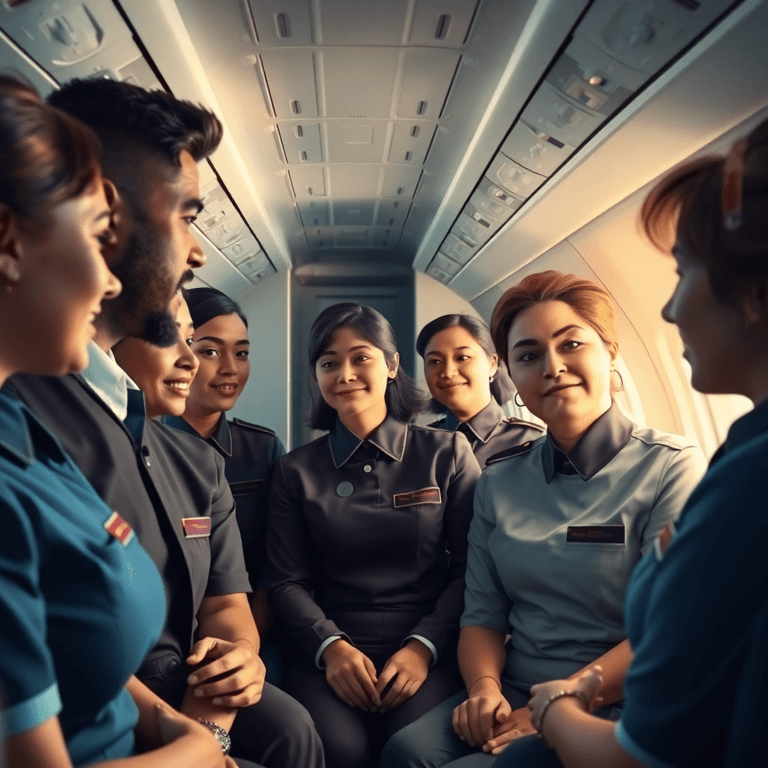
When you think about Cabin Crew Management, it’s not just about serving passengers or ensuring comfort onboard. At its core lies a critical safety framework known as Cabin Crew Resource Management (CRM). This concept focuses on optimizing the human element within aviation by enhancing teamwork, communication, and decision-making among cabin crew members.
What is Cabin Crew Resource Management?
CRM is a systematic approach designed to improve coordination and cooperation between flight attendants and other crew members during all phases of flight operations. It involves training that equips cabin crew with skills to manage resources — including themselves, their colleagues, equipment, and information — efficiently, especially in high-pressure situations. The goal: to prevent errors, manage emergencies smoothly, and maintain airline safety standards.
Evolution from Cockpit to Cabin
Originally developed in the late 1970s for pilots after investigating accidents caused by human error, CRM began as Cockpit Resource Management. Airlines recognized that communication breakdowns and poor teamwork contributed heavily to mishaps. As understanding grew, this training philosophy expanded beyond pilots to include entire flight teams — leading to the birth of modern cabin crew resource management.
The transition acknowledged that cabin crews play an indispensable role in safety, requiring equally rigorous training in interpersonal skills and operational awareness. Flight attendants are often the first responders inside the aircraft, responsible for managing passenger safety while collaborating closely with pilots and ground staff.
Why CRM Matters for Cabin Crew
Cabin crew jobs or transitioning from backgrounds like hotel management (often a common pathway into roles such as air hostess after hotel management), understanding CRM principles is essential. It forms the backbone of many airline safety programs aimed at delivering both exceptional customer service and airtight operational security.
Benefits of CRM for Cabin Crew
- Enhances Teamwork: CRM fosters a culture where every crew member's input is valued, breaking down traditional hierarchies that might hinder effective collaboration.
- Improves Communication: Clear, concise communication techniques taught through CRM minimize misunderstandings during routine service or critical incidents.
- Strengthens Decision-Making: Training empowers cabin crew to make timely decisions even under stress, balancing passenger needs with safety protocols.
Key takeaway: Effective CRM training isn’t just an add-on; it’s a vital component that ensures flights operate safely and efficiently from takeoff to landing. Whether you’re applying for cabin crew vacancies or advancing your career in aviation, mastering these skills will set you apart in the highly competitive world of air travel.
Moreover, while CRM equips cabin crew with essential skills for managing onboard situations effectively, it's also important for them to be prepared for any medical emergencies that may arise during flights. In such cases, having access to reliable medical resources can be invaluable.
For instance, utilizing an online medical symptom checker could aid in assessing a passenger's health issue more accurately. In scenarios where immediate medical assistance isn't available or when waiting for ground support, knowing how to look up symptoms online can provide crucial information that aids in managing the situation until professional help arrives.
This highlights the importance of integrating comprehensive medical knowledge into the CRM training curriculum. Such an approach would not only enhance the cabin crew's ability to handle emergencies but also significantly contribute.
The Role of CRM in Flight Attendant Training Programs
Cabin Crew Resource Management (CRM) was created to address the human factors that contribute to aviation accidents. A key event that highlighted this need was the unfortunate incident involving United Airlines Flight 173 in 1978. In this case, the flight crew became so fixated on a landing gear problem that they lost track of their surroundings, resulting in fuel depletion and ultimately, a crash. Investigations revealed that poor communication and ineffective teamwork played significant roles in this accident.
This tragedy emphasized the importance of having structured training programs in place to improve communication, decision-making, and collaboration among all members of the flight deck and cabin crew. While CRM was initially developed for pilots, it soon expanded to include flight attendants as airlines recognized their crucial role in ensuring safety and managing emergencies on board.
Timeline: CRM Becomes a Global Standard
Here's a timeline showing how CRM evolved over the years:
- Late 1970s: CRM introduced primarily for cockpit crews after major accidents highlighted human error.
- Early 1980s: Airlines began adapting CRM techniques into cabin crew training courses.
- 1990s: Regulatory bodies such as the FAA and ICAO mandated CRM as a core component of flight attendant qualifications.
- Present Day: CRM is a foundational element across airline training curriculums worldwide.
By the 1990s, CRM had transformed from being solely focused on pilots to involving all personnel responsible for flight safety. This shift redefined what it meant to be prepared for flight attendant positions. Airlines started incorporating these principles deeply within their training programs for flight attendants, recognizing that effective resource management could prevent incidents and enhance passenger safety.
Impact on Current Flight Attendant Training Programs
Flight attendant jobs today require more than just traditional hospitality skills. Candidates must demonstrate strong interpersonal communication, leadership under pressure, assertiveness, and situational awareness—skills cultivated through comprehensive CRM modules during initial and recurrent training sessions.
Airlines investing in robust flight attendant training emphasize:
- Enhancing teamwork between cabin crew members and pilots.
- Encouraging open communication channels regardless of rank or seniority.
- Strengthening decision-making abilities during both routine operations and emergencies.
- Developing adaptability in dynamic environments such as international flights with multinational crews.
These competencies are crucial not only for commercial airlines but also extend to private flight attendant jobs, where personalized service meets stringent safety standards.
For those pursuing a flight attendant career, understanding CRM principles can be a significant advantage during hiring processes. Many airlines now look for applicants familiar with these concepts even before formal onboarding. As competition in flight attendant jobs hiring intensifies globally, candidates who bring knowledge of cabin crew resource management stand out by demonstrating readiness to contribute effectively from day one.
Incorporating CRM into cabin crew training also addresses challenges unique to long-haul flights—for instance, navigating complex layovers like those from Athens to Fortaleza via Lisbon—where cultural sensitivity and coordination play critical roles.
Exploring how these foundational skills are developed leads us naturally into understanding the specific abilities that cabin crew acquire through CRM training. Notably, these skills are not just limited to managing flights but also play a significant role when it comes to personal health management during these rigorous schedules. For example, understanding one's health condition is crucial while dealing with high-pressure situations typical in aviation. Utilizing tools like an online symptom checker can empower cabin crew members by providing them quick insights about their health status.
Key Skills Developed Through Cabin Crew CRM Training
Cabin crew training programs, including comprehensive flight attendant training and air hostess training, are designed to equip crew members with a vital set of skills that directly contribute to the safety and efficiency of every flight. Cabin Crew Resource Management (CRM) focuses on developing these essential abilities to enhance teamwork, communication, and operational effectiveness under both routine and emergency conditions.
Essential CRM Skills for Cabin Crew
1. Decision Making
Flight attendants frequently face situations requiring quick judgment calls — from managing passenger conflicts to responding to medical emergencies. CRM training sharpens the ability to assess situations rapidly and choose the most appropriate course of action without hesitation.
2. Assertiveness
Clear, confident communication is critical in enforcing safety protocols or managing challenging passengers. Assertiveness training empowers cabin crew members to express concerns or instructions firmly yet respectfully, ensuring compliance without escalating tension.
3. Mission Analysis
This skill involves understanding the goals and priorities of a flight segment, such as preparing for turbulence or coordinating service during long-haul legs like a journey from Athens to Fortaleza with a layover in Lisbon. Mission analysis helps crew anticipate challenges and allocate resources efficiently.
4. Communication
Effective exchange of information within the cabin team and with the cockpit crew is a cornerstone of CRM. Clear radio use, non-verbal signals, and precise briefings minimize misunderstandings that could compromise safety.
5. Leadership
Leadership skills are vital not only for senior crew but also for junior members stepping up during crises. CRM encourages shared leadership where every member understands their role in guiding passengers calmly through emergencies like an evacuation or medical incident.
6. Adaptability
Unpredictable scenarios such as sudden weather changes or technical issues demand flexibility. Adaptability training prepares cabin crew to modify plans swiftly while maintaining composure and service standards.
7. Situational Awareness
This involves constantly monitoring the environment inside and outside the aircraft—spotting potential hazards like spills in aisles or suspicious behavior among passengers—and taking proactive measures before issues escalate. For more insights on situational awareness, you can refer to this resource.
Impact on Workload Management and Emergency Response
These CRM-developed competencies enable flight attendants to manage workloads effectively, especially during high-pressure phases such as boarding, turbulence, or meal service. By distributing tasks based on real-time assessment of capabilities and situational needs, crews maintain operational flow without burnout or oversight.
For example, during a long international flight with multiple segments (Athens-Lisbon-Fortaleza), adaptability combined with mission analysis allows cabin crew to adjust rest schedules, prepare specialized services for different passenger groups, and coordinate emergency drills while balancing fatigue management.
In emergency scenarios—whether it’s handling smoke detection alarms or coordinating passenger evacuations—strong communication and assertiveness ensure instructions are delivered clearly and followed promptly. Situational awareness supports early identification of risks such as fire hazards or medical distress signs, allowing preemptive action that can save lives.
The synergy between these skills forms the backbone of any effective flight attendant training program. Airlines continuously refine their cabin crew training curricula to embed CRM principles deeply into practical exercises, simulations, and real-world scenario discussions—strengthening each crewmember’s readiness for diverse challenges in the skies.
The Structure and Methods of CRM Training for Cabin Crew
Cabin crew CRM training is meticulously designed to equip flight attendants with practical skills required for real-life situations. A typical cabin crew training course, such as those offered in professional flight programs like this one, combines various interactive and hands-on learning techniques that extend beyond traditional classroom teaching.
Core Components of CRM Training
1. Simulator Sessions
Flight simulators provide an immersive environment where cabin crew can practice emergency procedures, communication exercises, and teamwork under pressure. These sessions replicate realistic scenarios such as cabin depressurization or medical emergencies, helping attendants develop confidence and instinctive responses to crises.
2. Interactive Workshops
Workshops encourage active participation through role-playing activities, group discussions, and problem-solving tasks. They inspire participants to explore interpersonal dynamics within the aircraft cabin, stressing the importance of assertiveness and effective communication techniques which are vital during high-pressure situations onboard.
3. Briefing and Debriefing Practices
Structured pre-flight briefings set clear expectations for each crew member’s responsibilities, fostering coordination from the outset. Post-flight debriefings serve as reflective discussions where experiences are scrutinized, achievements celebrated, and areas needing improvement identified. This continuous feedback loop reinforces team unity and operational safety.
Real-Event-Based Video Case Studies
One of the most impactful methods in cabin crew CRM involves examining real incidents through video case studies. These videos depict actual events—sometimes sourced from previous aviation accidents or near misses—to highlight how communication failures or leadership deficiencies influenced the outcomes. Analyzing these cases allows trainees to:
- Understand the consequences of ineffective CRM practices firsthand
- Identify successful strategies that might have altered event trajectories
- Apply insights gained towards preventing similar issues in their own operations
Continuous Training: A Pillar of Safety
Safety standards in aviation are constantly evolving due to technological advancements, regulatory changes, and emerging challenges. Cabin crew CRM is not a one-time training session but a continuous process embedded into airline culture. Refresher courses, recurrent training modules, and updated e-learning platforms—often available as flight attendant online courses—ensure that crew members remain sharp and informed throughout their careers.
Regular reinforcement helps maintain high levels of situational awareness and adaptability amid dynamic environments such as international flights from Athens to Fortaleza with layovers in hubs like Lisbon. Airlines investing in ongoing Cabin Crew Management development showcase commitment to minimizing human error while enhancing passenger safety and operational efficiency.
This multi-faceted approach to CRM training guarantees flight attendants are well-prepared—not just theoretically but practically—to confront every challenge at 30,000 feet.
Benefits of CRM for Cabin Crew Operations and Safety
Cabin crew resource management (CRM) reshapes the dynamics within the aircraft cabin, creating a workplace where every flight attendant's voice carries weight. This shift from rigid hierarchy to a collaborative model is crucial in managing air hostesses and cabin crews.
Breaking Down Hierarchies
Traditional airline operations often placed seniority or rank above open communication, which could hinder timely problem-solving. CRM encourages:
- Equal participation: Junior and senior flight attendants alike contribute insights without fear of dismissal.
- Shared responsibility: Every crew member recognizes their role in safety beyond assigned tasks.
- Empowerment: Confidence to speak up about safety concerns or procedural discrepancies, regardless of position.
This culture change helps prevent incidents that arise from unreported issues or ignored warnings.
Enabling Effective Communication During Flights
In the confined and fast-moving environment of an aircraft, quick and clear communication is essential. CRM equips flight attendants with skills to:
- Recognize subtle cues indicating passenger distress or potential hazards.
- Report concerns through established channels immediately.
- Collaborate seamlessly during unexpected situations, such as medical emergencies or security threats.
For example, during a long-haul flight from Athens to Fortaleza with a layover in Lisbon, diverse crew members trained under CRM principles can efficiently manage fatigue-related challenges and cultural nuances, ensuring passenger comfort and safety.
Enhancing Coordination with Pilots and Ground Staff
Flight attendants serve as the critical link between passengers, pilots, and ground crews. Effective cabin crew management ensures smooth information flow through:
- Pre-flight briefings: Aligning on weather conditions, special passengers (e.g., unaccompanied minors), or unusual operational factors.
- Real-time updates: Communicating any cabin issues that might affect flight operations.
- Post-flight debriefs: Sharing observations that can improve future procedures.
The synchronization between cabin crew and cockpit personnel reduces misunderstandings that might impact takeoff or landing safety.
Impact on Operational Efficiency and Passenger Safety
Collaborative teamwork nurtured by CRM leads to:
- Reduced errors caused by miscommunication or overlooked details.
- Faster resolution during emergencies, contributing to passenger trust and comfort.
- Optimized workload distribution, helping flight attendants maintain vigilance while managing routine duties.
Even down to practical elements like selecting appropriate cabin crew shoes, which contribute to comfort during long shifts, CRM underscores how attention to detail supports overall performance.
“When every member feels heard and valued, the entire team moves forward with confidence.” This philosophy lies at the heart of CRM’s benefits for air hostess management worldwide.
Application of CRM Principles Beyond Aviation Cabin Crew
Cabin Crew Resource Management (CRM) principles have gone beyond just airline stewardess jobs and air hostess roles. They are now relevant in various high-stakes industries where teamwork and communication are crucial for safety and efficiency. The main idea behind CRM—improving collaboration, situational awareness, and decision-making—has been successfully adapted in sectors such as:
1. Air Traffic Control
Controllers coordinate complex flight movements, relying on clear communication and teamwork to prevent accidents. CRM techniques help manage stress, reduce errors, and ensure seamless handoffs between shifts.
2. Maritime Operations
Ship crews face unpredictable environments similar to flights. Applying CRM fosters effective bridge team management, enabling crew members to voice concerns regardless of rank, enhancing navigation safety.
3. Firefighting Teams
Emergency responders operate under intense pressure with life-or-death consequences. CRM principles support rapid situation assessments, assertive communication, and coordinated action during crises.
4. Healthcare Teams
Hospitals have adopted CRM concepts to improve patient care during critical procedures. Surgeons, nurses, and anesthetists use structured communication protocols to minimize missteps in operating rooms.
5. Rail Transportation
Train crews and control center staff apply CRM to manage operational complexities and emergencies by emphasizing shared mental models and mutual support.
The universal value of CRM lies in its ability to reduce human error through improved teamwork and open communication. These qualities are essential regardless of whether one is pursuing corporate flight attendant jobs or training through an air hostess course after 12th grade. The culture of flattening hierarchies encourages every team member—from private jet flight attendant jobs to maritime deckhands—to contribute actively to safety outcomes.
For those exploring air hostess jobs or preparing through specialized air hostess courses, understanding the broad applicability of CRM sheds light on the importance of these skills beyond just passenger service. This mindset equips cabin crew candidates with tools that are indispensable in any high-pressure environment demanding flawless coordination among diverse team members.
By embracing CRM’s adaptable framework, industries worldwide are shaping safer workplaces where collaboration prevails over hierarchy—and where every voice counts when it matters most.
Challenges Faced in Implementing Effective Cabin Crew CRM
The dynamic environment of aviation presents unique challenges when embedding Cabin Crew Resource Management (CRM) into daily operations. Multinational crews bring rich cultural diversity, but this also introduces complex communication nuances and varying attitudes toward hierarchy and authority that can hinder the non-hierarchical communication style CRM promotes.
Cultural Differences Among Multinational Crews
- Diverse Communication Styles: Language barriers and differing cultural norms affect how assertiveness, feedback, and conflict resolution are expressed. For example, a crew member from a culture that values indirect communication might hesitate to voice safety concerns directly.
- Varied Perceptions of Authority: Some cultures emphasize strict adherence to hierarchy, which conflicts with CRM's encouragement for all crew members to speak up regardless of rank.
Airlines hiring flight attendants must recognize these cultural dimensions during recruitment and training. Tailored role-playing scenarios and cultural sensitivity workshops become vital tools for bridging gaps, ensuring every team member understands the importance of open dialogue.
Resistance to Non-Hierarchical Communication
Traditional cabin crew management often follows clear chains of command. Transitioning to a system where junior crew members feel empowered to challenge decisions or raise alerts requires significant mindset shifts.
- Entrenched Habits: Long-serving crew may resist CRM principles if they perceive them as undermining authority or complicating routines.
- Trust Building: Establishing mutual respect between ranks encourages acceptance of collaborative decision-making.
Custom CRM modules focusing on trust exercises and shared responsibility help break down these barriers. Airlines frequently integrate mentorship programs pairing experienced staff with newer recruits to foster gradual adaptation.
Scheduling Pressures Including Leave Management
Operational demands impose intense scheduling pressures, impacting CRM implementation effectiveness:
- Cabin Crew Leave Management Indigo: Managing leave requests while maintaining optimal staffing levels can lead to fatigue and reduced focus during flights.
- Irregular Rosters: Variable shifts disrupt consistent team composition, making it difficult to build rapport and seamless communication within the crew.
- Crew Fatigue: High workload periods increase stress levels, undermining situational awareness critical for effective CRM.
Airlines address these through sophisticated Cabin Crew Management systems that optimize roster planning while accommodating individual needs. Automated scheduling tools consider leave patterns, rest requirements, and training cycles to maintain balanced workloads without compromising safety.
Strategies Employed by Airlines
Several strategic approaches help airlines overcome the above challenges:
- Customized Training Programs: Incorporate cultural competence training alongside core CRM skills tailored to the airline’s fleet demographics.
- Simulation-Based Learning: Use realistic scenarios reflecting multicultural interactions and high-pressure situations to prepare crews better.
- Continuous Feedback Loops: Encourage ongoing dialogue post-flight via debriefings where crews discuss CRM successes and areas for improvement.
- Leadership Involvement: Engage senior cabin crew in championing CRM practices as role models who demonstrate open communication at every level.
- Technology Integration: Leverage digital platforms for real-time communication support during flights, aiding situational awareness despite shifting team members.
The success of these strategies depends heavily on buy-in from all stakeholders — from recruitment teams focused on hiring flight attendants with adaptability skills, through management committed to fostering a supportive culture, down to each individual crew member embracing shared responsibility for safety and efficiency.
Future Trends and Innovations in Cabin Crew Resource Management Training
The world of flight attendant training programs is changing quickly. This is mainly because of new technologies and a better understanding of how human behavior affects safety in aviation. Airlines and training organizations are using the latest tools to make CRM training more effective and engaging.
Virtual Reality Simulations: Immersive Learning Environments
One of the most exciting developments is the use of virtual reality (VR) simulations. These immersive experiences transport trainees into realistic cabin environments where they can practice crisis management, communication, and teamwork without real-world risks.
- VR allows flight attendants to experience scenarios such as emergency evacuations, disruptive passenger handling, and medical emergencies with high realism.
- This technology supports repeated practice, enabling individuals to build confidence and improve decision-making skills.
- For those considering a flight attendant online course, VR modules offer flexibility while maintaining interactive quality.
- Airlines offering flight attendant job openings increasingly require familiarity with VR-based training as part of their selection criteria.
Data Analytics: Personalizing Skill Development
Data analytics is transforming how CRM competencies are assessed and developed. By collecting performance data during simulations and training exercises, programs tailor learning paths to individual needs.
- Analytics identify strengths and weaknesses in areas like communication clarity, assertiveness, or situational awareness.
- Customized feedback helps trainees focus on specific skills critical for their role—whether as a corporate flight attendant or in commercial airline service.
- Adjustments based on analytics optimize time spent on skill-building activities within the flight attendant training program, enhancing overall effectiveness.
- For applicants preparing to apply to be a flight attendant, understanding the role of data-driven assessments can help them focus their preparation more strategically.
Integration with Mobile Applications
Mobile technology enhances accessibility to CRM resources anytime, anywhere. Flight attendants can access refresher materials, interactive quizzes, and scenario-based exercises through apps designed specifically for cabin crew development.
- Flight attendants juggling irregular schedules benefit from on-demand learning tools embedded within these apps.
- Employers advertise flight attendant openings that include ongoing mobile-based training as part of employee support.
- Prospective candidates looking into requirements to be a flight attendant should consider programs incorporating mobile technologies for continuous growth.
Blended Learning Models
Combining traditional classroom instruction with digital platforms creates a flexible yet comprehensive approach. Simulators, VR sessions, workshops, and online modules work together seamlessly to cover all CRM facets.
- Blended models accommodate diverse learning styles among multinational crews.
- They facilitate collaboration between instructors and trainees across different locations—ideal for airlines operating long-haul routes like flights from Athens to Fortaleza via Lisbon.
Adapting these innovations ensures CRM remains relevant amidst evolving operational challenges. Continuous investment in technology-driven methods supports safer skies by preparing cabin crews not only to react but also to anticipate complex situations effectively.
Conclusion
Becoming a flight attendant is not just about the excitement of travel. It's important to have strong Cabin Crew Management skills to ensure safety, efficiency, and smooth operations on board.
If you're interested in applying for cabin crew positions, here are some key skills to focus on developing:
- Effective communication: This will help you work well with your team and convey information clearly.
- Decisive leadership: In emergencies, you'll need to make quick and confident decisions.
- Situational awareness: Being aware of your surroundings will allow you to anticipate and respond to different situations that may arise during a flight.
- Adaptability: Every passenger is unique, so being able to handle their individual needs and unexpected challenges is crucial.
Airlines are increasingly looking for candidates who not only have technical skills but also demonstrate strong resource management abilities.
By investing time and effort into CRM training, you'll not only grow personally but also contribute to a safer aviation industry. Whether your dream destination is Athens or Fortaleza (with a stop in Lisbon), developing these skills is an important step towards a fulfilling career.
Remember to always prioritize learning and be open to new training methods. Becoming an exceptional flight attendant requires dedication in mastering both the practical and theoretical aspects of Cabin Crew Resource Management.
FAQs (Frequently Asked Questions)
What is Cabin Crew Resource Management (CRM) and why is it important in aviation safety?
Cabin Crew Resource Management (CRM) is a training approach focused on enhancing teamwork, communication, and decision-making among cabin crew members. It plays a crucial role in aviation safety by ensuring effective coordination during flights, which helps prevent accidents and improves overall flight efficiency.
How did CRM originate and become a standard in flight attendant training programs?
CRM originated following aviation accidents such as United Airlines Flight 173, where poor communication and teamwork were identified as key factors. Recognizing these issues, CRM was developed to address them and became a global standard by the 1990s, now integral to modern flight attendant training programs worldwide.
What key skills are developed through Cabin Crew CRM training?
CRM training imparts essential skills including decision making, assertiveness, mission analysis, effective communication, leadership, adaptability, and situational awareness. These skills enable cabin crew members to manage workloads efficiently and respond effectively during emergencies.
What are the typical components and methods used in CRM training for cabin crew?
Typical CRM training includes simulator sessions that mimic real-life scenarios, interactive workshops to foster engagement, briefing and debriefing practices for continuous improvement, and video case studies based on actual events. Continuous training ensures that safety standards are maintained throughout a cabin crew member's career.
How does CRM benefit cabin crew operations and enhance passenger safety?
CRM fosters a collaborative environment by breaking down hierarchical barriers among crew members, allowing everyone to voice concerns effectively during flights. It also improves coordination with pilots and ground staff, leading to enhanced operational efficiency and increased passenger safety.
Can CRM principles be applied outside of aviation cabin crew roles?
Yes, CRM principles have been successfully adapted to various sectors such as air traffic control, maritime operations, firefighting teams, healthcare teams, and rail transportation. The emphasis on improved teamwork and communication universally helps reduce human error across these industries.


Comments
Post a Comment