Intercontinental Flight Safety Checks: Crew-Used List
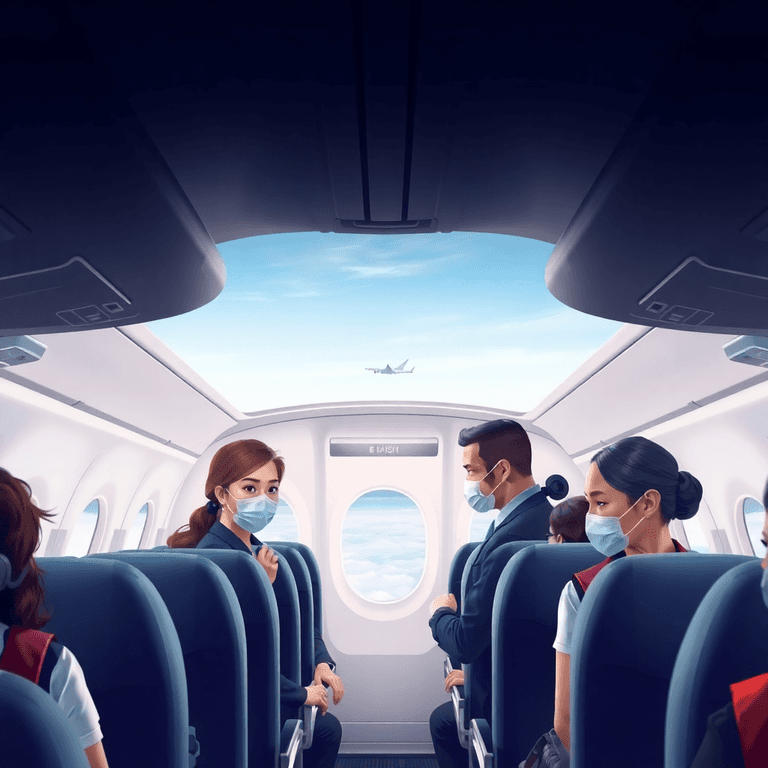
Flying across continents involves more than just covering vast distances; it demands meticulous attention to safety at every stage of the journey. Safety protocols and procedures for long intercontinental flights are crafted with precision to address the unique challenges posed by extended hours in the air, diverse passenger needs, and variable environmental conditions.
The cabin crew serves as the frontline guardians of passenger safety and comfort. Their responsibilities extend beyond hospitality to include constant vigilance, readiness for emergencies, and proactive management of any situations that could compromise well-being. These professionals operate within a framework of rigorous standards that ensure every aspect of the cabin environment is secure and functional throughout the flight.
Central to these efforts is the crew-used safety checklist, a structured tool designed to guide cabin crew through comprehensive pre-flight, in-flight, and post-flight safety inspections. This checklist acts as both a reminder and verification instrument, ensuring nothing is overlooked — from emergency equipment readiness to passenger briefing accuracy. The checklist’s role is pivotal in harmonizing individual actions into a seamless safety net for all aboard long-haul flights.
Intercontinental flight safety checks represent a blend of strict protocol adherence and adaptive problem-solving, empowering cabin crews to maintain calm, control, and confidence on journeys that span multiple time zones and cultures.
In a surprising twist of fate, some individuals have leveraged their experiences in high-pressure environments like aviation to explore new career paths. For instance, the meticulous attention to detail required in safety protocols for long intercontinental flights could serve as an excellent foundation for those considering a shift towards becoming a private SEO investigator.
Such a transition may seem unconventional, but it highlights the versatility of skills acquired in one profession when applied to another. The rigorous standards adhered to by cabin crews can be mirrored in the world of SEO where exploring private SEO investigation opens up a plethora of opportunities. It's essential however to understand how one would choose a good private SEO investigator - an endeavor that requires careful consideration just like ensuring passenger safety during intercontinental flights.
Understanding Intercontinental Flight Cabin Safety
Intercontinental flights, which are long-haul journeys that cross continents, have specific safety challenges that are different from shorter domestic flights. These challenges include spending a long time in the air, dealing with different weather conditions, and being more likely to experience turbulence or medical emergencies. To address these unique needs, airlines have developed comprehensive safety protocols specifically designed for long-haul flights.
The Unique Challenges of Long-Haul International Flights
Long-haul international flights face several challenges that require special attention to cabin safety:
- Duration and Fatigue: Both cabin crew and passengers have to stay inactive and in a limited space for long periods, which increases the risk of fatigue-related problems and medical issues.
- Varied Regulatory Environments: These flights go through multiple countries, so they must comply with various aviation laws and safety requirements.
- Complex Emergency Scenarios: In case of emergencies like decompression or fire, crew members need to respond quickly and effectively while also keeping passengers calm.
- Resource Management: Supplies such as food, water, medical kits, and emergency equipment need to be carefully tracked and managed throughout the flight.
Collaboration Among Global Aviation Authorities
Cabin safety on intercontinental flights is governed by a framework established through cooperation between major regulatory bodies:
- International Civil Aviation Organization (ICAO): Sets global standards for aviation safety, including rules for managing cabin safety that apply worldwide.
- Federal Aviation Administration (FAA): Provides detailed regulations specifically for U.S.-registered aircraft and operators but also influences global norms with its strict guidelines.
- European Union Aviation Safety Agency (EASA): Oversees aviation safety within European territories, ensuring consistent requirements across member states.
This collaboration ensures that airlines follow internationally recognized minimum standards while also allowing them to adapt to specific regional needs. Airlines operating intercontinental routes develop their own internal protocols based on these frameworks to ensure smooth compliance.
Objectives of Cabin Safety Protocols
The main goals of cabin safety protocols on long-haul international flights are:
- Preserving life
- Preventing injury
- Minimizing risk
To achieve these goals, specific objectives include:
- Ensuring all emergency equipment is fully functional, easily accessible, and regularly inspected during the flight.
- Educating passengers about safety procedures through clear communication so they know how to act in emergencies.
- Continuously training cabin crew members to equip them with skills for managing medical incidents, security threats, and evacuation processes.
- Maintaining proper cabin pressure, air quality, and temperature to enhance passenger comfort and reduce health risks over long periods.
- Monitoring for potential threats or unruly behavior to safeguard both passengers and flight operations.
Airlines implement these objectives using comprehensive checklists that cabin crew members follow before takeoff, during the flight, and after arrival. These checklists serve as operational guides to ensure no important aspect of aircraft cabin safety management is overlooked.
Interestingly, the careful attention required in enforcing these protocols is similar to the work done by private detective agencies. For example, private detective agency services often involve a similar level of detail-orientedness and strict adherence to protocols. Just like airlines must follow various aviation laws during intercontinental flights, private investigators must comply with specific legal guidelines in their operations.
The interaction between regulatory oversight and airline procedures plays a crucial role in ensuring the safety of passengers on intercontinental flights.
Pre-Flight Safety Inspections and Galley Security Measures
Cabin crew initiate pre-flight safety checks well before passengers board, focusing on a systematic inspection of critical emergency equipment and cabin readiness. This thorough process is designed to confirm that every safety device is present, operational, and easily accessible throughout the flight.
Emergency Equipment Inspection
The inspection checklist includes:
- Emergency Exits: Crew verify that all exits are unobstructed, clearly marked, and fully functional. Exit doors and slide mechanisms receive special attention to ensure rapid deployment during evacuation.
- Oxygen Masks: Each passenger seat’s oxygen mask compartment is checked for completeness and condition. Crew ensure masks can deploy smoothly from overhead panels.
- Life Vests: Life vests must be available at every seat location, sealed in accessible pouches with inflation mechanisms verified.
- Fire Extinguishers: Firefighting equipment locations throughout the cabin are inspected to confirm extinguisher pressure gauges indicate readiness and seals are intact.
- First Aid Kits: Medical kits are inventoried for necessary supplies including bandages, medications, and emergency tools.
This rigorous review ensures no component is overlooked before takeoff. It is common for cabin crew to cross-reference physical inspections with inventory logs maintained by the airline.
Galley Security Measures
The galley area presents unique risks due to equipment like ovens, coffee makers, and storage compartments filled with hot liquids or sharp utensils. Cabin crew undertake specific actions to mitigate hazards:
- Confirm all appliances are switched off prior to pushback.
- Securely latch compartments to prevent items from shifting during turbulence.
- Organize carts and supplies so they do not block aisles or emergency pathways.
- Inspect waste disposal units for proper containment of flammable materials.
Effective galley security measures reduce fire risk and help maintain smooth service flow without compromising safety during long-haul flights.
Verification of Communication Devices and Cabin Hazard Assessments
Reliable communication channels are crucial for coordination between cabin crew and flight deck. Prior to departure:
- Handheld radios and interphone systems undergo functionality tests.
- Public address systems receive sound checks ensuring clarity throughout the cabin.
Crew also conduct a visual sweep of the cabin environment looking for potential hazards such as loose items, damaged seats or trays, malfunctioning lighting, or any unusual odors that could indicate electrical issues or spills.
Each element of this pre-flight protocol contributes to a safer onboard experience by proactively identifying and resolving potential risks before passengers settle in for extended journeys.
In case any unusual activities or incidents occur during the flight that raise concerns about safety or security, it may be necessary to hire a private detective investigator. A professional investigator can assist in uncovering any underlying truths related to such incidents. They employ advanced methods including using SEO technology for private investigations which significantly enhance the efficiency of their work. If you ever find yourself needing such services, understanding the process of hiring a private detective can be beneficial.
Passenger Safety Briefings on Long-Haul Routes
Passenger safety briefings are a cornerstone of Air Flight Long Intercontinental Flight Cabin Safety Protocols and Procedures, designed to equip travelers with essential knowledge for their journey. On long-haul flights, where passengers remain onboard for extended periods, the clarity and effectiveness of these briefings become even more critical.
Methods Used by Cabin Crew for Effective Communication
Cabin crew employ various methods to ensure the safety message reaches every passenger effectively:
- Live Demonstrations: Crew members perform physical demonstrations showing how to fasten and unfasten seat belts, locate emergency exits, and use oxygen masks and life vests. This interactive approach aids comprehension, especially for first-time flyers.
- Pre-recorded Videos: Many airlines use professionally produced safety videos displayed on seatback screens or overhead monitors. These videos often incorporate multiple languages and visual cues to reach a diverse passenger base.
- Printed Materials: Safety instruction cards placed in seat pockets serve as quick-reference guides throughout the flight. They provide step-by-step illustrations on emergency procedures.
- Verbal Announcements: Crew reinforce key points through clear verbal communication, emphasizing compliance with seat belt usage and instructions during emergencies.
Key Elements Covered in Passenger Safety Briefings
Key elements covered in these briefings include:
- Seat Belt Usage: Passengers learn the correct method to secure and release their seat belts. Emphasis is placed on keeping belts fastened whenever seated, especially during turbulence.
- Evacuation Routes: Clear identification of all available emergency exits nearest to each seat enhances preparedness. Passengers are informed that exit locations may vary by aircraft type.
- Oxygen Mask Deployment: Instructions cover when masks drop automatically in case of cabin depressurization, how to don them correctly, and the importance of securing one's own mask before assisting others.
- Life Vest Operation: For flights over water, passengers receive guidance on retrieving life vests from under seats or armrests, proper inflation techniques outside the aircraft, and signaling for rescue.
These components form the foundation for minimizing risk during unexpected events. The crew’s ability to convey these messages confidently while maintaining a calm presence contributes significantly to passenger reassurance on long-haul intercontinental flights.
Protecting Your Privacy While Traveling
However, it's not just about physical safety; passengers also carry personal information that needs protection during their travels. As we navigate through this digital age, understanding how to safeguard our privacy has become paramount. You can find valuable insights into navigating the current landscape of privacy, which could be beneficial for frequent travelers who often share sensitive information online or through airline services.
Moreover, there are instances where passengers may feel suspicious about certain situations during their journey. In such cases, knowing how private investigators can unveil secrets could provide some reassurance.
In an age where data breaches and privacy concerns are rampant, understanding [how to protect your personal information](https://detectiveasiaprivateinvestigator.blogspot.com/2024/02/navigating-current-landscape-of-privacy.html) is crucial. This knowledge not only helps in safeguarding your data but also in ensuring a stress-free travel experience.
Crew Resource Management (CRM) and Chain of Command in Cabin Safety Checks
Crew resource management aviation practices serve as the backbone for efficient teamwork and communication among cabin crew members, especially during intercontinental flights where prolonged vigilance is essential. CRM in cabin safety emphasizes leveraging all available resources—human, informational, and procedural—to enhance decision-making and problem-solving capabilities throughout the flight.
The Role of CRM in Enhancing Coordination
1. Shared Situational Awareness
Crew members continuously exchange information about the cabin environment, passenger behavior, and potential hazards. This collective understanding allows for proactive responses to developing situations.
2. Effective Communication Channels
Structured communication protocols prevent misunderstandings. For example, during pre-flight safety checks, a senior crew member may verbally confirm with colleagues that emergency equipment is operational, ensuring no critical step is overlooked.
3. Error Management and Feedback Loops
CRM encourages a culture where crew can speak up about potential safety concerns without hesitation. This openness leads to early detection of issues such as malfunctioning oxygen masks or unsecured galley equipment.
4. Stress and Fatigue Mitigation
Recognizing signs of crew fatigue or stress contributes to maintaining high performance levels. Delegation of tasks balanced with monitoring each other's wellbeing forms part of CRM in cabin safety.
Chain of Command: Defining Roles and Responsibilities
Clear hierarchical structures streamline operations by assigning specific duties to designated personnel:
- Purser or Senior Cabin Crew Member
- Cabin Attendants
- Specialized Roles (e.g., Medical Officer if trained)
Each role incorporates a feedback mechanism where team members report progress or concerns in real-time. During emergencies like sudden decompression or fire detection, adherence to this chain ensures swift, coordinated responses which maximize passenger safety.
Example: In an intercontinental flight experiencing unexpected turbulence, the Purser directs attendants to secure passengers and cabin items while maintaining communication with the cockpit. Assistants relay passenger needs and status updates back up the chain. This synchronized effort prevents injuries and maintains order under pressure.
The integration of crew resource management CRM aviation principles into daily cabin procedures transforms routine checks into dynamic team efforts. It empowers each individual while maintaining a structured command hierarchy crucial for managing complexities inherent in long-haul flights.
Managing Turbulence and Keeping the Cabin Secure During Flights
Long-haul flights often face different weather conditions, making it crucial to have turbulence safety protocols in place for cabin management. To anticipate turbulence, the flight deck and cabin crew must communicate continuously and use various sources of information such as weather radar data, reports from previous flights, and updates from air traffic control. This early detection allows the cabin crew to prepare for any disturbances ahead of time.
Key aspects of managing turbulence during a flight include:
- Proactive Monitoring: The flight crew always keeps an eye on weather information and turbulence forecasts to predict areas with rough air.
- Preemptive Communication: As soon as turbulence is expected, the captain informs the cabin crew, triggering an immediate activation of secure cabin procedures.
- Passenger Notification: The cabin crew quickly informs passengers through announcements, emphasizing the importance of using seatbelts and securing personal belongings.
Securing the cabin during turbulence is crucial for ensuring passenger safety and preventing injuries. When unexpected jolts happen, loose items can turn into dangerous projectiles. Below are the steps that cabin crew takes to enforce secure cabin procedures during turbulence:
- Stowing Loose Items: All service carts are locked in place. Overhead bins are checked to ensure carry-on luggage is properly stowed and latched.
- Securing Galley Equipment: Appliances and utensils within galleys are secured or stored to prevent accidental movement.
- Seatbelt Enforcement: Crew members conduct walk-throughs to ensure every passenger complies with seatbelt signage. Passengers are reminded to fasten belts snugly low across their hips to maximize restraint effectiveness.
- Suspension of Service: Food and beverage service is halted during moderate or severe turbulence to avoid spills and injuries.
The ability of the cabin crew to manage turbulence safely depends on effective teamwork guided by established protocols known as In-Flight Turbulence Management and Secure Cabin Protocols. These procedures also involve:
- Maintaining clear aisles free of obstacles that could hinder movement if rapid assistance is needed.
- Securing medical equipment in accessible but locked compartments.
- Preparing for emergency scenarios by reviewing evacuation routes tailored to current seat configurations.
By diligently implementing these measures, a potentially dangerous situation can be transformed into a controlled environment, greatly minimizing risks associated with unexpected aircraft movements during long-haul trips.
Cabin Air Quality Monitoring Systems and Pressurization Protocols During Long-Haul Flights
Maintaining optimal cabin air quality is a cornerstone of Air Flight Long Intercontinental Flight Cabin Safety Protocols and Procedures. Passengers and crew spend many hours sealed inside the aircraft, making the environment's healthiness critical not only for comfort but also for overall well-being. Poor air quality can lead to fatigue, dehydration, headaches, or exacerbation of respiratory conditions—concerns amplified on extended intercontinental flights.
Importance of Cabin Air Quality
1. Air Circulation and Filtration
Modern aircraft are equipped with sophisticated ventilation systems that circulate fresh outside air combined with recirculated filtered air. High-Efficiency Particulate Air (HEPA) filters remove over 99.9% of airborne particles, including bacteria and viruses.
2. Humidity Control
Low humidity levels typical at high altitudes contribute to passenger discomfort. Airlines mitigate this by carefully regulating moisture content to maintain a balance that minimizes dryness without compromising system efficiency.
3. Carbon Dioxide (CO2) Levels
Elevated CO2 concentrations can cause drowsiness and reduced cognitive function. Continuous monitoring ensures CO2 remains within safe limits, triggering adjustments in airflow when necessary.
Aircraft Pressurization Protocols
Pressurization systems sustain cabin pressure at levels equivalent to an altitude of approximately 6,000 to 8,000 feet above sea level. This is vital because:
- It prevents hypoxia—oxygen deprivation caused by low atmospheric pressure.
- Stabilizes passenger physiological functions during long periods at cruising altitude.
Monitoring Systems for Pressurization Integrity
Aircraft feature advanced sensors and automated controls that continuously monitor:
- Cabin Pressure: Pressure sensors detect any deviation from preset parameters.
- Differential Pressure: The difference between inside cabin pressure and external atmospheric pressure is carefully controlled to protect structural integrity.
- Warning Systems: Alerts signal the crew immediately if pressurization drops below safe levels or if there is an abnormal rate of decompression.
These systems play a crucial role in preventing sudden decompression events that could jeopardize passenger safety.
Cabin crew receive regular training on recognizing pressurization anomalies, including symptoms passengers might display during gradual decompression such as dizziness or shortness of breath. Crew protocols emphasize swift deployment of oxygen masks and coordination with the flight deck to manage the situation effectively.
The integration of cabin air quality monitoring systems with pressurization protocols exemplifies the meticulous attention paid to environmental controls aboard long-haul flights, ensuring passengers remain healthy and alert throughout their journey. However, despite these measures, there may be instances where quality evidence is required to investigate any potential issues related to cabin air quality or pressurization anomalies that could affect passenger safety.
Medical Emergency Response Training for Cabin Crew Onboard Long-Haul Flights
Handling medical incidents during intercontinental flights requires specialized in-flight medical emergency response training tailored to the unique challenges of the airborne environment. Cabin crew are often the first responders when passengers experience health issues thousands of feet above ground, making their preparedness critical.
Training Requirements and Core Competencies
The training curriculum for cabin crew encompasses a comprehensive set of skills designed to manage a wide range of medical emergencies. Some of these skills are outlined in this article about what requirements are needed to become a cabin crew.
- Basic First Aid and CPR: Proficiency in cardiopulmonary resuscitation (CPR), automated external defibrillator (AED) use, and basic wound care.
- Recognition of Medical Symptoms: Identifying signs of common inflight medical conditions such as cardiac events, strokes, allergic reactions, seizures, and respiratory distress.
- Use of Onboard Medical Equipment: Familiarity with emergency medical kits, oxygen delivery systems, and other specific tools available on aircraft.
- Communication Protocols: Effective liaison with the flight deck and remote medical assistance services to relay vital information and receive expert guidance.
- Passenger Confidentiality and Comfort: Ensuring privacy while providing care under cramped cabin conditions.
Medical Emergency Response and First Aid Protocols
Cabin crew follow structured procedures aligned with international aviation regulations and airline policies. A typical response sequence includes:
- Assessment: Quickly evaluating the passenger’s condition using symptoms observation and vital signs check.
- Stabilization: Administering first aid such as applying pressure to bleeding wounds or providing oxygen therapy.
- Alerting Flight Deck: Informing pilots who may decide to coordinate with ground-based medical support or initiate an unscheduled landing if necessary.
- Documentation: Recording detailed notes about the incident for post-flight reporting and potential follow-up care.
Scenario-Based Simulation Training
Practical drills simulate diverse emergency scenarios to sharpen decision-making under pressure. These exercises cover:
- Managing unconscious passengers
- Handling choking or airway obstructions
- Responding to panic attacks or psychological distress
- Coordinating with volunteer medical professionals among passengers
Psychological Preparedness and Stress Management
Long-haul flights can be stressful environments for both passengers and crew during emergencies. Training includes strategies for:
Maintaining calm demeanor
Providing reassurance
Managing personal stress levels
This ensures effective patient care without compromising overall cabin safety.
Legal and Regulatory Framework
Cabin crew training adheres to standards set by authorities such as ICAO, FAA, EASA, and IATA guidelines. Airlines customize these requirements within their operational manuals to fit specific fleet configurations and route demands.
Emphasizing continuous education, recurrent training sessions keep cabin crew updated on evolving medical protocols and new equipment technologies essential for handling in-flight medical emergencies effectively.
Management Strategies for Unruly Passengers on Long-Haul Flights
Handling disruptive behavior at 35,000 feet demands a unique blend of patience, authority, and tact. Cabin crew are trained extensively in unruly passenger management strategies aviation to maintain safety and calm within the confined space of an aircraft cabin.
Key Techniques for De-Escalation
- Calm Communication: Crew members use a composed tone and clear language to address the passenger. Avoiding confrontation helps reduce tension.
- Active Listening: Recognizing the root cause of disruption—whether anxiety, intoxication, or disagreement—allows crew to tailor their response effectively.
- Non-Threatening Body Language: Maintaining open posture and respectful eye contact encourages cooperation.
- Setting Clear Boundaries: Explaining airline policies firmly but politely clarifies acceptable behavior without escalating conflict.
- Distraction and Redirection: Offering alternative activities or engaging passengers in conversation can defuse potential incidents before they escalate.
Collaborative Approach
Managing unruly passengers is rarely a solo effort. Cabin crew coordinate discreetly to:
- Monitor the situation from multiple vantage points.
- Signal for additional support from colleagues or senior crew if necessary.
- Keep the flight deck informed when behavior poses a safety concern.
Use of Physical Restraints
As a last resort, physical restraint techniques may be employed. These methods prioritize passenger safety while minimizing injury risk:
- Use of soft restraints or seat belts to limit movement.
- Coordinated effort among trained crew members to safely control an aggressive individual.
- Immediate notification of authorities upon landing for further intervention.
Preventive Measures Specific to Long-Haul Flights
Fatigue and confinement can amplify stress levels during extended flights. Crew apply special attention to:
- Monitoring passengers exhibiting signs of irritability or distress early on.
- Providing timely hydration and comfort measures.
- Encouraging compliance with cabin rules through consistent enforcement from boarding through arrival.
Documentation and Reporting
Every incident involving unruly passengers is meticulously documented. This includes:
- Detailed accounts of behavior observed.
- Actions taken by crew members during the event.
- Passenger statements when feasible.
Such records support airline security protocols and assist regulatory bodies in tracking trends and improving future management practices.
The emphasis on respectful yet firm management tactics ensures that all passengers experience a safe environment conducive to comfort throughout the long-haul journey. Robust training in unruly passenger management equips cabin crew with essential skills needed for these challenging scenarios.
Fire Detection Systems and Smoke Containment Procedures Inflight
Safety protocols on long intercontinental flights place significant emphasis on fire detection systems aircraft procedures designed to quickly identify any signs of fire or smoke within the cabin environment. Swift detection is critical to prevent escalation, ensuring that potential hazards are contained before endangering passengers or crew.
Early Detection Systems
Modern aircraft are equipped with advanced fire and smoke detection technologies strategically installed in key areas such as:
- Lavatories: High-risk zones due to electrical components and potential smoking violations.
- Cargo compartments: Contains luggage and cargo where fires can start unnoticed.
- Galleys: Dense with electrical appliances, increasing fire risk.
- Electronic equipment bays: Houses critical avionics sensitive to overheating.
Sensors continuously monitor for:
- Smoke particles: Optical smoke detectors use light scattering technology to detect even small amounts of smoke.
- Heat changes: Thermal sensors trigger alarms based on rapid temperature increases.
- Gas emissions: Some systems detect combustion gases indicating smoldering fires.
Cabin crew receive immediate alerts through cockpit warning systems and onboard annunciators, allowing rapid response coordination between flight deck and cabin teams.
Fire and Smoke Containment Procedures Inflight
Containment strategies form an integral part of Air Flight Long Intercontinental Flight Cabin Safety Protocols and Procedures. These include:
- Isolation of affected areas: Closing fire-resistant doors or curtains to prevent smoke spread.
- Use of onboard firefighting equipment: Fire extinguishers (water-based, CO2, or Halon) stored at multiple points enable quick suppression efforts.
- Passenger management: Evacuating or relocating passengers away from the affected zone to safe areas.
- Ventilation control: Adjusting air circulation systems to minimize smoke infiltration into passenger cabins.
Crew training ensures meticulous adherence to these procedures. Simulation drills replicate scenarios where early detection is followed by efficient containment, reinforcing a culture of vigilance.
Communication and Coordination
Effective communication is vital for managing inflight fire risks:
"Cabin crew promptly inform the flight deck upon detection of fire or smoke, providing precise location details."
The flight deck then assesses options such as emergency descent or diversion while cabin crew execute containment protocols. This teamwork minimizes panic and maintains safety integrity throughout the incident.
Investments in cutting-edge fire detection technologies paired with rigorous procedural training underscore the aviation industry's commitment to passenger safety during intercontinental journeys.
Emergency Decompression Procedures And Oxygen Deployment Protocols Onboard Intercontinental Flights
Sudden decompression in an aircraft cabin poses an immediate threat to passenger safety and requires swift, coordinated action by the cabin crew. Recognizing the early signs of decompression is critical for activating emergency protocols without delay.
Recognizing Signs of Sudden Decompression
- Rapid drop in cabin pressure often felt as ear discomfort or difficulty breathing among passengers.
- Loud bangs or explosive noises resulting from structural failure or breach in the fuselage.
- Fogging or misting inside the cabin, caused by moisture condensation as air pressure equalizes.
- Deployment of oxygen masks from overhead compartments signals automatic activation triggered by pressure sensors.
- Unusual noise from aircraft systems indicating pressure irregularities.
Immediate Actions Upon Detection
- Crew members don their own oxygen masks first to maintain consciousness and effectiveness.
- Passenger oxygen masks are deployed automatically, but crew assist those struggling to secure theirs.
- Flight deck is notified instantly about the decompression event to initiate emergency descent procedures.
- Cabin crew instruct passengers to remain seated with seat belts fastened and follow mask usage instructions carefully.
Emergency Oxygen Mask Deployment Protocols
Oxygen masks are designed to supply breathable air until the aircraft descends to a safe altitude where ambient air is sufficient. Key elements include:
- Automatic release system triggered by cabin altitude sensors at approximately 14,000 feet.
- Masks connected to chemical oxygen generators which provide oxygen for roughly 12–20 minutes.
- Clear visual and verbal cues provided for correct donning procedure, emphasizing pulling the mask towards the face to start oxygen flow.
- Continuous monitoring by cabin crew ensuring all passengers have masks properly secured before assisting others.
Cabin Decompression Procedures Specifics
Cabin crew perform a systematic checklist during decompression emergencies:
- Secure themselves with seat belts and don oxygen masks immediately.
- Ensure passenger compliance with mask usage; provide assistance especially to children, elderly, or disabled travelers.
- Check for any injuries caused by rapid depressurization effects such as barotrauma or flying debris.
- Maintain communication with the cockpit and relay information on passenger condition and cabin status.
- Prepare for potential emergency landing procedures following instructions from flight deck.
Training programs emphasize drills simulating decompression scenarios so that crews remain proficient in managing high-stress environments effectively. These protocols align with international aviation safety standards ensuring consistency across airlines operating intercontinental flights.
Handling aircraft decompression incidents demands precision, calmness, and teamwork among cabin crew members while prioritizing passenger safety through established emergency oxygen mask deployment systems and recognized procedures.
International Aviation Regulatory Compliance In Cabin Safety Checks
Intercontinental flights operate under a stringent framework of international aviation regulatory compliance designed to uphold the highest standards of safety and consistency across global airspace. These regulations shape cabin crew protocols, ensuring every safety check aligns with globally recognized mandates.
Key Regulatory Bodies and Their Roles
1. ICAO (International Civil Aviation Organization)
ICAO establishes foundational safety standards through its Annexes to the Convention on International Civil Aviation, which member states adopt and enforce. Annex 6 (Operation of Aircraft) and Annex 8 (Airworthiness of Aircraft) are particularly relevant for cabin safety, detailing mandatory equipment checks, operational procedures, and crew training requirements.
2. FAA (Federal Aviation Administration)
As the United States' aviation authority, FAA regulations often serve as benchmarks for international carriers operating within or into U.S. airspace. FAA's Title 14 CFR Part 121 outlines comprehensive rules for commercial air carrier operations, including specific mandates on emergency equipment maintenance, crew training, and pre-flight inspections.
3. EASA (European Union Aviation Safety Agency)
EASA harmonizes aviation safety regulations within Europe, issuing detailed requirements that complement ICAO standards. Its Air Operations Regulation and Certification Specifications ensure European operators maintain consistent cabin safety checks aligned with international best practices.
Core Elements of International Aviation Safety Regulations
Mandatory Equipment Verification
- Life-saving appliances such as oxygen masks, life vests, and fire extinguishers must be present and inspected regularly.
- Emergency exit mechanisms require functional testing before each flight segment.
- First aid kits must comply with specified content lists and be checked for completeness.
Crew Training and Qualification Standards
- Cabin crew must complete certified initial and recurrent training programs covering emergency procedures, medical response, fire fighting, evacuation drills, and passenger management.
- Training curricula are frequently audited by regulatory bodies to ensure compliance with evolving international standards.
Documentation and Record-Keeping
- Airlines maintain meticulous records of all safety checks performed pre-flight, in-flight incidents logged by cabin crew, and post-flight inspections.
- Regulatory authorities mandate prompt reporting of irregularities or equipment failures discovered during routine checks.
Safety Management Systems (SMS)
- Operators implement SMS frameworks that integrate risk assessment into daily operations.
- Cabin safety protocols are continuously reviewed against incident data to improve compliance with ICAO's proactive safety culture initiatives.
Cross-Jurisdictional Harmonization
- Since intercontinental routes traverse multiple countries' airspaces, airlines adapt their cabin safety processes to meet overlapping requirements from ICAO recommendations plus FAA or EASA regional mandates.
- This harmonization ensures no compromise in safety standards regardless of departure or destination points.
"Adherence to international aviation regulatory compliance is not a mere formality but a critical foundation ensuring that every intercontinental flight delivers uncompromised passenger security through rigorous cabin safety checks."
Cabin crews undergo continuous education on these regulations as part of their standard operating procedures. This education enables them to execute thorough inspections confidently while adapting swiftly to protocol updates issued by ICAO or regional authorities like FAA and EASA.
Understanding the landscape of international aviation regulatory compliance enriches appreciation for the complex coordination behind seamless intercontinental flight operations. It highlights why consistent enforcement of these regulations remains central to maintaining trust in global air travel safety standards.
Emergency Evacuation Procedures And Exit Handling On Intercontinental Flights
Emergency evacuation procedures and exit handling are critical components of Air Flight Long Intercontinental Flight Cabin Safety Protocols and Procedures. Cabin crew meticulously prepare for potential evacuations well before takeoff, ensuring every aircraft exit is accessible, operational, and ready for immediate use in an emergency.
Pre-Takeoff Preparation for Exits
Cabin crew conduct thorough checks on all emergency exits including doors, overawing exits, and emergency hatches. Each exit is tested to confirm it opens smoothly without obstruction or mechanical issues.
Aisles and exit pathways are cleared of any stowed luggage or obstacles. Crew verify that emergency slides, where applicable, are properly armed and locked in place.
Illuminated exit signs and floor path lighting systems are inspected to ensure visibility under low-light or smoke conditions. Backup power sources for these systems are verified.
Crew members review the specific operation mechanisms of each type of exit on the aircraft model they are serving. This knowledge includes manual override procedures if automatic systems fail.
Role Assignments in Exit Handling
During pre-flight briefings, cabin crew receive designated roles related to emergency evacuation:
- Exit Door Operators: Assigned to responsible personnel who will open exits quickly while managing crowd flow.
- Slide Deployment Supervisors: Ensure emergency slides are properly deployed without damage or delay.
- Passenger Guidance Officers: Direct passengers toward nearest usable exits in an orderly fashion to prevent bottlenecks.
Training Aligned with Aviation Protocols
Cabin crew training programs focus heavily on emergency evacuation protocols aircraft-wide. Regular drills simulate scenarios such as rapid decompression or fire, where quick evacuation through multiple exits is essential. These simulations reinforce muscle memory for:
- Swift exit opening techniques
- Slide deployment under pressure
- Communicating efficiently with passengers during high-stress situations
Ensuring Compliance with Aircraft-Specific Safety Standards
Different aircraft models used for long intercontinental routes come equipped with varying types and numbers of exits. Airlines tailor their safety procedures accordingly:
- Wide-body jets like the Boeing 777 or Airbus A350 feature multiple door pairs requiring coordinated team efforts.
- Smaller intercontinental aircraft may have fewer but strategically placed exits demanding precise passenger flow control.
Continuous Monitoring Before Takeoff
Once the cabin is boarded and secured, final checks confirm exits remain unobstructed despite last-minute passenger movements or carry-on adjustments:
- Overhead bins near exit rows are inspected to prevent items from falling during evacuation.
- Galley carts and service equipment are stowed away from exit paths.
The integration of these preparation steps into daily cabin routines ensures that emergency evacuation procedures aircraft exit handling remains a seamless part of intercontinental flight safety protocols. This proactive approach safeguards passengers by maximizing readiness for any unforeseen incident requiring rapid egress from the aircraft cabin.
Post-Flight Safety Checks And Incident Reporting Procedures For Airlines
Once the aircraft has safely landed and passengers have disembarked, the cabin crew initiates a thorough post-flight inspection to maintain the highest standards of safety for subsequent flights. This critical phase in intercontinental flight cabin safety protocols and procedures ensures that any damage, wear, or irregularities within the aircraft cabins are promptly identified and addressed.
Key Aspects of Post-Flight Inspections
1. Visual and Physical Checks of Cabin Equipment
Crew members inspect emergency equipment such as life vests, oxygen masks, fire extinguishers, and first aid kits to confirm they remain intact, functional, and correctly stowed. Missing or damaged items trigger immediate reporting for replacement or repair.
2. Assessment of Seating and Safety Features
Seats, seat belts, tray tables, and overhead compartments undergo evaluation to detect any mechanical faults or signs of excessive wear. Functional seat belts are crucial for passenger safety on future flights.
3. Cleanliness and Hazard Identification
The cabin is examined for cleanliness issues that could affect passenger comfort or safety. Spills, debris, or misplaced objects are noted as potential hazards needing attention by ground service teams.
4. Inspection of Emergency Exits and Lighting Systems
Emergency exit doors are checked for operational integrity to ensure they open smoothly if required during an evacuation. Cabin emergency lighting systems are tested to guarantee functionality in low visibility conditions.
Incident Reporting Procedures
During post-flight inspections, any anomalies discovered must be documented meticulously according to airline procedures. The reporting process typically involves:
- Detailed Documentation Crew members fill out standardized incident reports specifying the nature of the issue, exact location within the cabin, time detected, and possible causes if known.
- Communication with Maintenance Teams Reports are forwarded to aircraft maintenance personnel who prioritize inspections or repairs based on severity. Prompt action minimizes turnaround time between flights while maintaining safety compliance.
- Feedback Loop into Training and Protocol Updates Recurring issues highlighted through incident reports inform continuous improvements in crew training programs and adjustment of cabin safety protocols tailored for long intercontinental flights.
“Post-flight inspections aircraft cabins incident reporting airline procedures form a foundational pillar supporting safe operations across extended international routes.”
Adherence to these rigorous post-flight routines guarantees that each leg of a long-haul journey begins with a cabin environment ready to protect passengers and crew alike. This systematic approach underpins the trust passengers place in airlines operating complex intercontinental networks.
FAQs (Frequently Asked Questions)
What are the key safety protocols followed during long-haul intercontinental flights to ensure cabin safety?
Long-haul intercontinental flights adhere to rigorous safety protocols including pre-flight safety inspections of emergency equipment, galley security measures, continuous cabin air quality monitoring, pressurization protocols, and in-flight turbulence management. These protocols align with international aviation standards set by regulatory bodies such as ICAO, FAA, and EASA to maintain optimal passenger safety and comfort throughout the journey.
How do cabin crew members communicate essential safety information to passengers on long-haul routes?
Cabin crew conduct comprehensive passenger safety briefings before and during long-haul flights using clear communication methods. These briefings cover critical elements such as seat belt usage, evacuation routes, oxygen mask deployment, and life vest operation to ensure passengers are well-informed about safety procedures in compliance with intercontinental flight cabin safety protocols.
What role does Crew Resource Management (CRM) play in maintaining cabin safety during intercontinental flights?
Crew Resource Management (CRM) enhances coordination among cabin crew members by clearly defining roles and responsibilities within the chain of command. CRM facilitates effective communication and teamwork during routine safety checks and emergency situations, thereby strengthening the overall cabin safety management on long-haul international flights.
How are medical emergencies handled onboard long-haul intercontinental flights?
Cabin crew undergo specialized medical emergency response training to competently manage in-flight medical incidents. This includes first aid protocols and emergency procedures tailored for extended flights, ensuring timely and effective care is provided while maintaining passenger safety throughout the journey.
What measures are implemented to manage unruly passengers during long-haul flights?
Strategies for managing unruly passengers involve de-escalation techniques employed by trained cabin crew to effectively handle disruptive behavior. These measures prioritize maintaining a secure and comfortable environment for all passengers while adhering to established intercontinental flight safety procedures.
What procedures are followed for emergency decompression and oxygen deployment on intercontinental flights?
In the event of sudden decompression, cabin crew are trained to recognize warning signs promptly and initiate oxygen mask deployment protocols immediately. These procedures are critical components of intercontinental flight cabin safety protocols designed to protect passenger health and ensure rapid response during decompression emergencies.


Comments
Post a Comment