What Does a Gate Agent Do? Duties + Real Scenarios From Athena Greece To Fortaleza Brazil
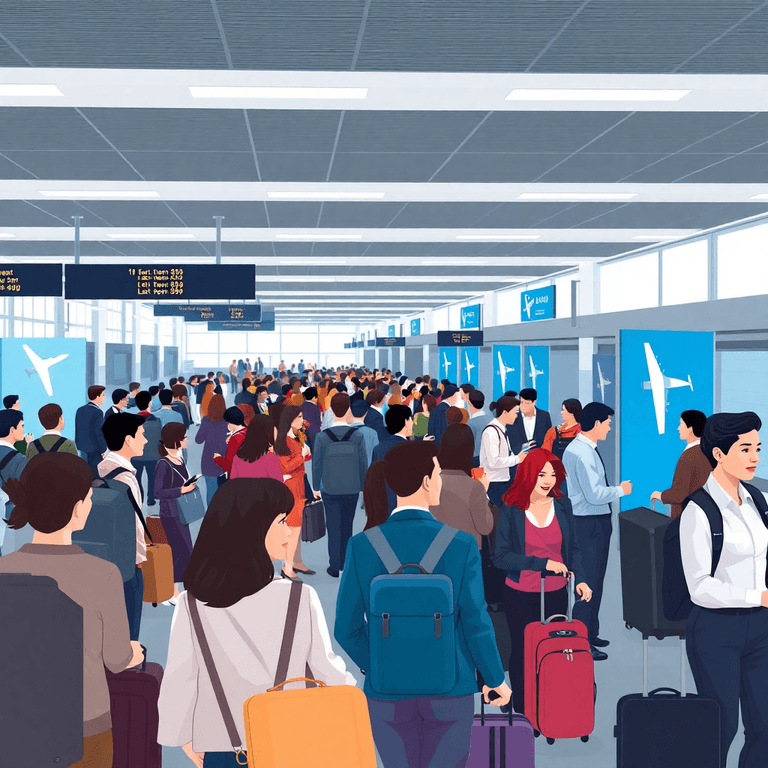
What is a Gate Agent?
A gate agent is an airline representative at the airport who plays a crucial role in managing the boarding process and ensuring passenger satisfaction throughout their journey. They are often referred to as check-in staff or airline customer service agents.
Key Responsibilities of a Gate Agent
Gate agents have several important responsibilities, including:
- Coordinating boarding procedures efficiently to minimize delays.
- Assisting passengers with inquiries and providing timely information.
- Verifying travel documents such as passports and boarding passes.
- Handling last-minute changes like seat assignments or upgrades.
The Importance of Gate Agents
Gate agents are the first point of contact for passengers at the airport gate, making their role critical in shaping the overall passenger experience. Their interaction sets the tone for the flight, addressing concerns promptly and creating a welcoming environment.
Understanding what does a gate agent do helps clarify why airlines invest heavily in training these professionals. The distinction between a gate agent and general check-in staff lies mainly in location and specific duties: check-in staff often handle initial passenger processing at counters, while gate agents manage activities at the departure gate itself.
The Impact of Technology on Gate Agents
In today’s fast-evolving airline industry, technology impacts gate agent roles significantly. Automated kiosks and electronic gates have shifted some traditional tasks but also demand that gate agents maintain technical proficiency to assist passengers effectively.
How to Become a Gate Agent
If you’re curious about how to become a gate agent, it involves mastering customer service skills, understanding airline operations, and adapting to new technologies — all essential to thriving in this dynamic position.
Understanding the Role of a Gate Agent
The gate agent role and responsibilities encompass a wide range of tasks essential to airport operations and passenger experience. As airline check-in staff duties expand beyond simple ticket handling, gate agents are pivotal in ensuring the boarding process runs efficiently and passengers feel supported.
Core Functions of a Gate Agent
1. Assisting Passengers with Check-In Procedures
Gate agents guide travelers through check-in steps, whether at the counter or gate area. This includes verifying that passengers have the correct documentation — passports, visas, and boarding passes. Their attention to detail prevents travel disruptions caused by missing or invalid documents.
2. Issuing and Managing Boarding Passes
Agents print or scan boarding passes, verify seat assignments, and provide necessary updates. They handle last-minute seat changes, upgrades, or accommodate group seating requests while maintaining fairness and transparency.
3. Managing Boarding Processes
They organize boarding by zones or groups to maintain order. Communication with passengers about boarding status, delays, or gate changes falls under their purview. This requires strong interpersonal skills and clear announcements to minimize confusion.
Luggage Handling Responsibilities
1. Weighing Bags and Collecting Fees
Gate agents inspect checked baggage weight limits and dimensions. When bags exceed airline policies, they calculate excess baggage fees accurately and collect payments promptly to avoid hold-ups.
2. Coordinating with Ramp Staff
Liaison with ramp personnel ensures that luggage is loaded properly and remains on schedule for departure. Effective coordination prevents issues like misplaced baggage or loading delays that can impact flight times.
Collaboration for On-Time Departures
Gate agents work closely with operational teams—ramp workers, flight crews, and ground control—to synchronize activities leading up to takeoff. They relay last-minute information such as passenger count changes or special requirements, which helps maintain tight schedules demanded by airports like those served by Delta gate agent teams or United check-in staff.
Managing Special Passenger Groups
Handling vulnerable travelers is a critical aspect of gate agent jobs:
- Unaccompanied Minors: Gate agents ensure minors traveling alone receive proper supervision until handed over to guardians or flight attendants upon boarding.
- Passengers Needing Extra Assistance: Travelers with disabilities or medical needs receive personalized support including wheelchair arrangements, priority boarding, and clear communication about services available during the journey.
Understanding these facets clarifies why mastering the gate agent role and responsibilities requires more than just basic customer service skills—it demands multitasking under pressure while maintaining accuracy and empathy in every interaction. This depth of involvement distinguishes airport gate agents from general customer service roles found elsewhere in the airline industry.
Daily Tasks of Check-In Personnel
The daily tasks airport check-in personnel and gate agents revolve around a fast-paced environment that demands precision, patience, and constant engagement with passengers. Your day as a gate agent or check-in staff typically begins well before the first travelers arrive at the airport.
Starting the Day
Preparation is key. You begin by reviewing flight paperwork, verifying schedules, and entering passenger information into airline computer systems. This setup ensures that all details are accurate for smooth processing throughout the day.
Passenger Interaction
A large part of your role involves continuous communication. Passengers frequently approach with questions about flight delays, cancellations, or connection details. Providing clear and calm answers helps reduce anxiety and maintains order.
Managing Boarding Passes and Seating
Assigning seats is not just about filling rows; it includes managing upgrades, accommodating special requests, and resolving seating conflicts diplomatically. During peak travel times or irregular operations caused by weather or technical issues, your ability to stay professional under pressure is crucial.
Handling Upgrades and Special Requests
You often deal with last-minute changes such as upgrades or accommodating frequent flyers. These tasks require quick decision-making while adhering to airline policies.
Dealing with Irregular Operations
When flights are delayed or canceled, your role intensifies. You must rebook passengers efficiently while maintaining a composed demeanor despite sometimes sharp complaints.
For example, Emirates airline check-in agents follow structured protocols to handle these challenges smoothly. They rely on thorough knowledge of their airline’s systems combined with interpersonal skills to keep passenger flow steady.
A typical shift might look like this:
- Log in to the system and prepare flight manifests.
- Greet arriving passengers and verify their documentation.
- Weigh luggage and collect any excess baggage fees.
- Issue or reissue boarding passes as needed.
- Answer inquiries regarding flight status or airport facilities.
- Coordinate with gate staff to manage boarding sequences.
- Handle special cases such as unaccompanied minors or passengers needing assistance.
- Manage seating assignments including upgrades and accommodating requests.
- Communicate any operational updates to passengers calmly to avoid confusion or panic.
This routine requires multitasking abilities combined with an empathetic approach toward travelers who may be stressed or frustrated by unforeseen travel disruptions.
Your workday as check-in personnel involves constant adaptation—juggling technical tasks like data entry alongside personal interactions—all aimed at ensuring each passenger experiences a seamless journey from check-in to boarding gate.
The balance between technology use and human touch defines the essence of your role in daily airport operations, making you an indispensable frontline representative in the airline industry’s customer service chain.
Essential Skills and Qualifications for Gate Agents
Gate agent skills are critical for managing the fast-paced, often unpredictable environment at airport gates. Success in this role depends on a combination of interpersonal abilities, technical knowledge, and emotional resilience.
Key Qualities Needed for Gate Agent Check-In Staff
1. Strong Communication Abilities
Gate agents must clearly convey information regarding boarding procedures, flight updates, delays, and policy changes. This includes speaking with passengers from diverse backgrounds and ensuring everyone understands instructions regardless of language barriers or stress levels.
2. Attention to Detail
Accuracy is vital when verifying travel documents, issuing boarding passes, and handling luggage. Small errors can lead to serious complications such as missed flights or security breaches.
3. Patience
Handling queues during peak times or assisting frustrated travelers requires calmness. Patience helps gate agents maintain professionalism and deliver quality service even under pressure.
4. Problem-Solving Skills
Unexpected situations—such as overbooked flights or misplaced baggage—demand quick thinking. Gate agents need to find practical solutions that satisfy both passengers and airline policies. The benefits of problem-solving skills for customer service cannot be overstated as these skills help in effectively managing unexpected issues.
5. Calmness During Stressful Situations
Delays, cancellations, or emergencies create tension. Remaining composed allows gate agents to provide reassurance and manage situations without escalating conflicts.
Qualifications for Check-In Staff
1. Customer Service Experience
Previous work in customer-facing roles builds a solid foundation for understanding passenger needs and expectations. It also develops essential soft skills like conflict resolution and empathy which are crucial in the airline industry as outlined in this article on customer service skills.
2. Relevant Education
College courses or certifications related to aviation management, hospitality, or tourism add valuable industry knowledge. Understanding airline operations and passenger rights improves overall job performance.
3. Language Skills
Airports serve international travelers. Proficiency in multiple languages enhances communication capabilities and broadens the ability to assist non-native speakers effectively.
Summary of Check-in Staff Qualifications
Skill / Qualification | Importance |
Communication | Clear instructions & info |
Attention to Detail | Accuracy in documentation |
Patience | Handling stress & queues |
Problem-Solving | Managing unexpected issues |
Calmness | De-escalating tense situations |
Customer Service Experience | Understanding passenger needs |
Aviation/Hospitality Education | Industry-specific knowledge |
Multilingual Ability | Serving diverse travelers |
Gate agents bring together these skills and qualifications to ensure smooth operations at the gate while delivering excellent customer service regardless of challenges faced during daily duties.
Training and Certification Pathways
Training for gate agents is a structured blend of theoretical learning and practical experience designed to prepare airline check-in staff for the fast-paced airport environment. Most airlines implement airline check-in staff training programs that start with classroom instruction. This covers:
- Ticketing procedures
- Customer service fundamentals
- Airline policies and regulations
- Security protocols
- Handling special passenger needs
Hands-on apprenticeships or on-the-job training follow, allowing new gate agents to work alongside experienced personnel. This phase emphasizes real-world application of skills, such as managing automated check-in kiosks and electronic boarding gates (e-gates), which are now integral parts of modern airport operations.
Technical proficiency with these systems is crucial. Training includes navigation through airline reservation systems, boarding pass issuance, baggage handling procedures, and troubleshooting common technical issues passengers might face. This combination ensures gate agents can assist travelers efficiently, even when technology glitches occur.
Certification courses add an extra layer of professionalism and industry credibility. Various organizations offer gate agent certification courses focusing on:
- Advanced customer service techniques
- Conflict resolution strategies
- Safety and emergency response awareness
- Regulatory compliance
These certifications demonstrate a commitment to quality service and can improve career advancement opportunities within the aviation sector.
Airport customer service training often extends beyond standard airline programs. Some airports provide specialized courses that address unique challenges of their locale—such as multilingual communication or assisting passengers with disabilities—enhancing the gate agent’s ability to serve diverse populations effectively.
Training programs regularly update content to align with evolving technology and regulatory changes, ensuring gate agents remain well-equipped to handle the dynamic nature of airport operations.
Customer Service Techniques Used by Gate Agents
Gate agent customer service requires a special combination of patience, empathy, and quick thinking. Dealing with difficult passengers is part of the job, and mastering effective techniques can stop conflicts from getting worse.
Key Customer Service Techniques:
1. Active Listening
Gate agents focus intently on what passengers say, acknowledging concerns without interrupting. This technique helps passengers feel heard and valued, defusing tension early.
2. Empathy Expression
Recognizing frustration or anxiety in travelers allows gate agents to respond with genuine understanding. Simple statements like “I understand how this delay impacts your plans” build rapport and trust.
3. Clear Communication
Transparency about flight delays, gate changes, or boarding procedures reduces confusion. Agents avoid jargon and provide concise updates to keep passengers informed.
4. Personalized Assistance
Special attention goes to vulnerable travelers such as unaccompanied minors, elderly passengers, or those with disabilities. Tailoring support demonstrates care beyond standard service.
Handling complaints gracefully requires balancing firmness with kindness. When confronted with sharp remarks or unreasonable demands, gate agents maintain professionalism by:
- Staying calm and composed.
- Restating the issue to confirm understanding.
- Offering practical solutions within airline policies.
- Avoiding defensive language that could escalate conflict.
Airport customer service best practices include anticipating passenger needs before problems arise. For example, proactive announcements about boarding delays help set expectations early. Gate agents often position themselves visibly near boarding areas to quickly address questions or concerns.
How gate agents handle complaints also involves teamwork—coordinating with supervisors or security if situations become unmanageable ensures safety without compromising service quality.
Mastering these customer service techniques helps gate agents create smoother experiences for all travelers despite the unpredictable nature of airport operations.
Technology’s Impact on Check-In Processes
Technology in check-in has changed how gate agents and check-in staff work at airports. Automated check-in systems, self-service airport kiosks, and e-gates in airports are now common features that greatly improve how passengers are processed.
Automated Self-Service Kiosks
- Allow passengers to check in independently without needing direct agent assistance.
- Enable printing of boarding passes and luggage tags quickly.
- Reduce long queues by speeding up routine tasks.
- Require gate agents to shift focus toward troubleshooting kiosk malfunctions and assisting travelers unfamiliar with digital interfaces.
E-Gates in Airports
- Use biometric verification or electronic boarding pass scanning for faster boarding.
- Enhance security while maintaining passenger convenience.
- Depend on gate agents’ ability to manage technical glitches or resolve identity verification issues promptly.
- Provide a seamless flow but demand staff proficiency in handling hardware and software systems.
Gate Agent Check-In Staff must adapt to evolving technology by combining customer service skills with technical knowledge. Understanding how these automated tools work allows them to guide passengers effectively, especially those who may be less tech-savvy such as elderly travelers or international visitors facing language barriers.
Impact on Passenger Flow
- Streamlines movement from check-in to boarding gates.
- Minimizes human error during document verification due to automation.
- Frees gate agents to focus on complex cases like special assistance or irregular operations.
Technical proficiency becomes essential for gate agents as they:
- Assist passengers encountering errors on kiosks or e-gates.
- Manage exceptions like damaged boarding passes or system outages.
- Liaise with IT support teams to maintain smooth operations.
Incorporating E-gates and self-service kiosks shifts some traditional responsibilities but elevates the importance of problem-solving skills linked with technology. Gate agents evolve into both customer advocates and tech facilitators, ensuring that the benefits of automation translate into improved passenger experience rather than frustration.
Mastering this balance between human interaction and technological efficiency defines the modern gate agent’s role at busy airports worldwide.
Real-Life Scenarios from Gate Agent Experiences
Gate agents encounter situations that test their skills beyond routine tasks. These real scenarios gate agents face daily reveal the complexity and importance of their role in maintaining order and safety while providing passenger assistance.
Handling Flight Disruptions and Passenger Complaints
Imagine a sudden mechanical issue causes a delay just as boarding begins. Passengers grow restless, tempers flare, and complaints rise sharply. A gate agent must remain calm and composed, addressing each concern with empathy:
- Active listening helps passengers feel heard, even when solutions are limited.
- Clear communication about expected wait times and rebooking options reduces uncertainty.
- Coordinating with airline operations to prioritize passengers needing urgent connections or special assistance demonstrates problem-solving at its finest.
One incident involved a gate agent managing a flight delayed by severe weather. Despite mounting frustration from passengers, the agent quickly arranged for meal vouchers and alternative flights. This proactive approach eased tension and prevented escalation.
Dealing with Unexpected Incidents Onboard
Gate agents often receive reports of disturbances or emergencies during boarding or flight preparation. Their quick action can prevent situations from worsening:
During a flight from Athens to Fortaleza, Brazil, an unusual disturbance was reported—passengers felt sharp pokes from the seat behind them multiple times. The gate agent coordinated with cabin crew to investigate discreetly before departure, ensuring passenger safety without causing alarm.
This example highlights the gate agent’s role as a liaison between passengers and crew, using observation and communication skills to manage sensitive incidents effectively.
Emergency Evacuations and Complex Rebooking Challenges
In emergency scenarios like evacuations, gate agents become critical in guiding passengers safely out of aircraft or terminals. They rely on training to:
- Organize orderly disembarkation under pressure.
- Communicate instructions clearly despite chaos.
- Assist vulnerable travelers including families with children or persons with disabilities.
Such emergency situations add another layer of challenge for gate agents who must stay composed while ensuring passenger safety.
Complex rebooking situations add another layer of challenge. When flights are canceled due to strikes or natural disasters, agents juggle:
- Booking alternatives across multiple airlines.
- Reconciling passenger preferences.
- Managing overbooked flights tactfully.
A memorable case involved an agent who spent hours rearranging connections for hundreds stranded after volcanic ash grounded flights. Patience and perseverance ensured everyone reached their destinations eventually.
Passenger Assistance Stories That Reflect Dedication
Stories of gate agents going beyond protocol emphasize their dedication:
- Helping elderly passengers navigate large airports during tight layovers.
- Comforting nervous flyers by explaining boarding procedures calmly.
- Quickly locating lost luggage tags to avoid further delays.
Such accounts illustrate how gate agents combine technical expertise with human touch to create positive travel experiences even amid challenges.
These real-life examples reveal the multifaceted nature of gate agents’ work—balancing operational demands while prioritizing passenger welfare through skilled handling of disruptions and emergencies.
Career Path and Opportunities Within Airport Staffing
The career progression for check-in staff and gate agents often begins with entry-level roles focused on direct passenger interaction and operational support. These positions provide foundational experience in airport customer service, essential for moving forward in the aviation industry.
Entry-Level to Supervisory Roles
- Starting as a gate agent or check-in staff, you gain hands-on knowledge of airline processes, passenger handling, and problem resolution.
- With experience, opportunities arise to advance into lead agent or supervisory positions, where responsibilities expand to managing teams, coordinating gate operations, and ensuring compliance with safety regulations.
- Supervisors often act as liaisons between frontline staff and higher management, enhancing communication flow within airline operations.
Lateral Movement Across Departments
Gate agent jobs opportunities are not confined to boarding gates alone. Many professionals leverage their skills to transition into related areas such as:
- Baggage handling management, overseeing the logistics of luggage processing and loss prevention.
- Customer relations management, focusing on improving passenger satisfaction through complaint resolution and proactive communication strategies.
- Ramp operations coordination, which involves working closely with ground crews for aircraft turnaround efficiency.
Such lateral moves diversify your expertise while maintaining a strong connection to airport operations.
Steps to Become an Airport Gate Agent
Understanding how to become an airport gate agent involves preparation beyond enthusiasm for travel and service:
- Obtain a high school diploma or equivalent; some airlines prefer candidates with additional education in hospitality or aviation-related fields.
- Pursue customer service experience in retail, hospitality, or similar sectors to build essential communication skills.
- Apply for gate agent jobs opportunities through airline career portals or airport staffing agencies.
- Complete airline-specific training programs covering technical systems like automated check-in kiosks and boarding procedures.
- Maintain certifications required by regulatory agencies and participate in ongoing professional development.
Utilizing employee benefits such as flexible schedules can help balance work-life demands during training and early career stages. Flight privileges offered by many airlines serve as a valuable perk that motivates long-term commitment.
Growth Potential
The aviation industry values adaptability and continuous learning. Career growth paths might include roles such as:
- Operations manager, overseeing multiple aspects of airport services.
- Training coordinator, responsible for preparing new hires with up-to-date procedures.
- Corporate customer service roles, applying frontline experience to develop company-wide policies.
Check-in staff career trajectories reflect a dynamic environment where dedication opens doors to diverse opportunities within airport staffing structures.
Industry Insights and Future Trends in Gate Agent Roles
The world of Gate Agent Check-In Staff is changing rapidly due to new technologies and changing expectations from passengers. Knowing the latest trends in airport staffing can help those already in this job or looking to get into it.
Automation and Personalization: A Dual Focus
Airports and airlines are using more automation to make things run smoothly. This means less work for gate agents because things like self-service kiosks, biometric scanning, and e-gates will handle some tasks. This technology makes boarding faster and reduces mistakes made by humans. But even with all this automation, we still need personalized customer service. After the pandemic, we've seen that travelers really appreciate kind interactions and tailored help.
Here’s how the roles are shifting:
- Automated systems handle routine tasks such as boarding pass scanning.
- Gate agents focus more on problem-solving, conflict resolution, and catering to special passenger needs.
- Personalized services become a key differentiator for airlines competing on customer experience.
Adaptive Staffing Models Responding to Seasonal Demand
Airports often see more people traveling during certain times of the year like holidays or big events. Trends in airport staffing show that they're becoming more flexible with their workforce:
- Airlines hire part-time or temporary gate agents to manage surges.
- Cross-training staff enables quick redeployment across different roles.
- Scheduling software optimizes shift assignments to balance workload and employee well-being.
This flexible approach helps maintain operational efficiency without compromising service quality during busy periods.
Continuous Learning to Keep Pace with Technology
Technology is changing what gate agents do, so they need to keep learning:
- Familiarity with evolving check-in systems and digital tools becomes essential.
- Training programs increasingly emphasize technical proficiency alongside traditional customer service skills.
- Gate agents must adapt quickly to software updates, cybersecurity protocols, and troubleshooting new devices.
Employees who embrace continuous learning position themselves better for career growth amid rapid changes in airline customer service jobs.
The Future of Airline Customer Service Jobs
Experts believe that in the future, we'll have a mix of both worlds where technology helps gate agents but doesn't completely take over their jobs. We still need humans when things get complicated like flight delays or helping travelers who need extra support.
Here are some key insights:
- Greater integration of AI-driven analytics to anticipate passenger needs.
- Enhanced communication platforms enabling real-time collaboration between gate agents, pilots, and ground staff.
- A stronger focus on emotional intelligence as a core competency for frontline staff.
These developments suggest that gate agents will evolve from purely transactional roles into strategic ambassadors of the airline brand.
"Technology will redefine how gate agents operate but cannot replace the human touch required to ensure passenger satisfaction," says aviation analyst Jane Mitchell.
Understanding these industry insights gives you a realistic view of what is expected now and what opportunities lie ahead in gate agent careers. The combination of technology and personalized service creates an exciting work environment that values flexibility, kindness, and technical skills.
Conclusion
The role of a Gate Agent Check-In Staff is crucial in the aviation industry, balancing customer service and operational efficiency. This position requires a combination of people skills, technical knowledge, and the ability to stay calm and handle unexpected situations effectively.
Consider these points if you are drawn to this career path:
- Dynamic Environment: You will work in a fast-paced setting where no two days are the same. Handling passenger inquiries, coordinating with multiple teams, and adapting to flight changes keep the job engaging.
- Customer Interaction: Strong communication and empathy are essential. You act as the face of the airline, shaping passenger experiences from boarding to departure.
- Technical Proficiency: Familiarity with check-in systems, e-gates, and luggage protocols ensures smooth operations. Continuous learning is part of staying effective.
- Problem-Solving Opportunities: Dealing with delays, complaints, and special passenger needs requires quick thinking and patience.
- Global Exposure: Working at international airports exposes you to diverse cultures and languages, enhancing your adaptability and cultural awareness.
Entering this field means embracing challenges alongside rewarding moments—helping travelers begin their journeys positively while ensuring flights depart on time. If you value human connection combined with logistics coordination, becoming gate agent check-in staff offers a meaningful career within vibrant international travel hubs.
FAQs (Frequently Asked Questions)
What are the primary responsibilities of a gate agent in airport operations?
Gate agents, also known as check-in staff or airline customer service agents, play a crucial frontline role by assisting passengers with check-in procedures, verifying travel documents such as passports and boarding passes, issuing boarding passes, managing boarding processes, handling luggage including weighing bags and collecting excess baggage fees, coordinating with ramp and operational staff to ensure on-time departures, and managing special passenger groups like unaccompanied minors or those needing extra assistance.
What skills and qualifications are essential for becoming a successful gate agent?
Key qualities for gate agents include strong communication abilities, attention to detail, patience, problem-solving skills, and the ability to remain calm during stressful situations. Qualifications often involve prior customer service experience or relevant college courses related to aviation or hospitality. Additionally, language skills are advantageous due to the diverse demographics of airline passengers.
How has technology impacted the role of gate agents at airports?
Technological advancements such as automated self-service kiosks and electronic gates (e-gates) have transformed gate agent duties by streamlining passenger flow. However, these changes require gate agents to be technically proficient to assist passengers unfamiliar with digital systems and efficiently troubleshoot any issues that arise during the check-in process.
What does a typical day look like for check-in personnel and gate agents?
A typical day involves preparing flight paperwork, entering passenger information into computer systems, interacting constantly with passengers to answer inquiries about flight delays or cancellations, managing seating assignments and upgrades, and maintaining professionalism under pressure during peak hours or irregular operations. Patience and effective communication are vital throughout their daily routine.
What training and certification pathways are available for aspiring gate agents?
Airlines typically offer training programs combining classroom instruction with on-the-job apprenticeships covering technical systems like automated check-ins or e-gates alongside customer service best practices. Certification courses are also available that enhance professionalism and industry credibility for those pursuing a career as a gate agent.
How do gate agents handle difficult passenger interactions and provide excellent customer service?
Gate agents employ techniques such as active listening, expressing empathy, clear communication about delays or changes, and offering personalized assistance especially for vulnerable travelers. They are trained to manage complaints gracefully and de-escalate tense situations to maintain passenger satisfaction while ensuring smooth airport operations.


Comments
Post a Comment